Library and Information Science
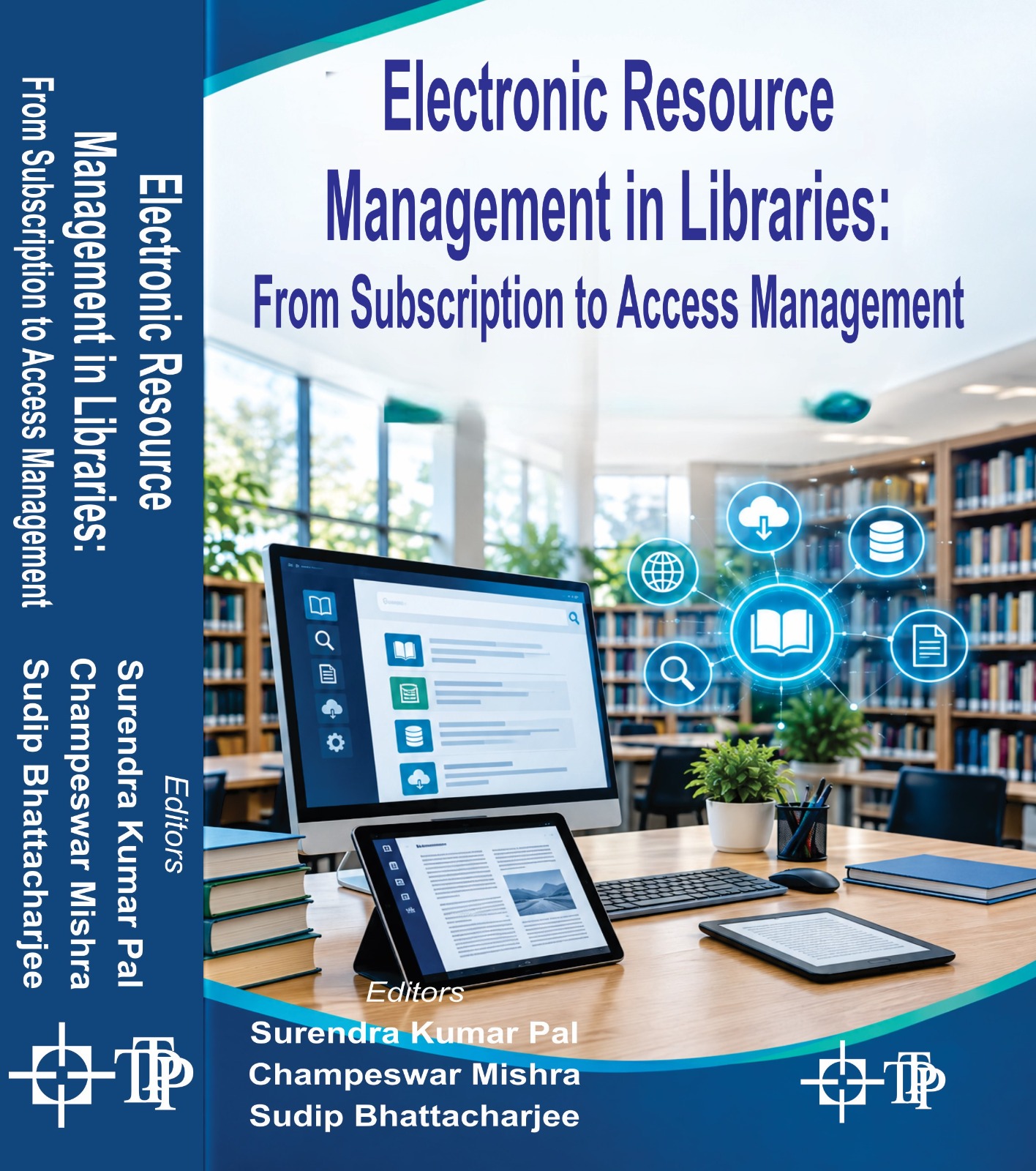
Electronic Resource Management In Libraries: From Subscription To Access Management
₹3,595.50₹3,995.00
Book details for Electronic Resource Management In Libraries: From Subscription To Access Management
Library and Information Science
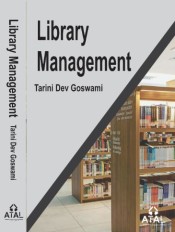
The book explains the meaning, importance, and principles of library management. Library management is the systematic process of planning, organizing, maintaining, and controlling library resources and services. It highlights the role of library management in supporting education, research, and lifelong learning. The book discusses the acquisition of books, journals, newspapers, and digital resources according to users' needs. It explains the importance of budgeting and planning for the effective use of library funds. The book describes classification and cataloguing as essential processes for organizing library materials. It introduces systems such as Dewey Decimal Classification for arranging books systematically. It explains circulation management, including the issuing and returning of library materials. The book emphasizes the importance of reference services and user assistance in libraries. It discusses the use of library automation software to improve efficiency and reduce errors. The book highlights the growing importance of digital libraries, e-books, e-journals, and online databases. It explains how technology helps librarians manage resources and provide better services. The book is useful for library science students, librarians, researchers, and information professionals. It promotes the effective utilization of library resources and improves user satisfaction. Overall, the book provides valuable knowledge about managing modern libraries efficiently and supporting the dissemination of information and knowledge in society.
Library Management by T. D. Goswami.
308 pages · English · Published 2026
Subjects: Library and Information Science
T. D. Goswami
Further author information is not yet available.
�Modern Approaches to Library Management. �Internet-Based Collection Management in Modern Libraries. �Principles of Library Governance and Administration. �Library Management Systems and Administrative Practices. �Digital Innovations in Library Classification and Cataloging. �Integration of Library Management with Information Services. �Management of Library User Services. �Network-Based Information Management in Modern Libraries. �Constraints in Library Information Management Systems. �Library Administration and Organizational Structure. �Modern Library Administration and Digital Automation. �Bibliography.
Library and Information Science

Agriculture · Biodiversity · Environment/Forestry

Agriculture · Entomology · Fisheries Science
Library and Information Science

Agriculture · Plant Pathology
Agriculture · Food Science & Post Harv. Tech.

Agriculture · Plant Pathology

Agriculture · Agriculture Economics