Agriculture · Horticulture
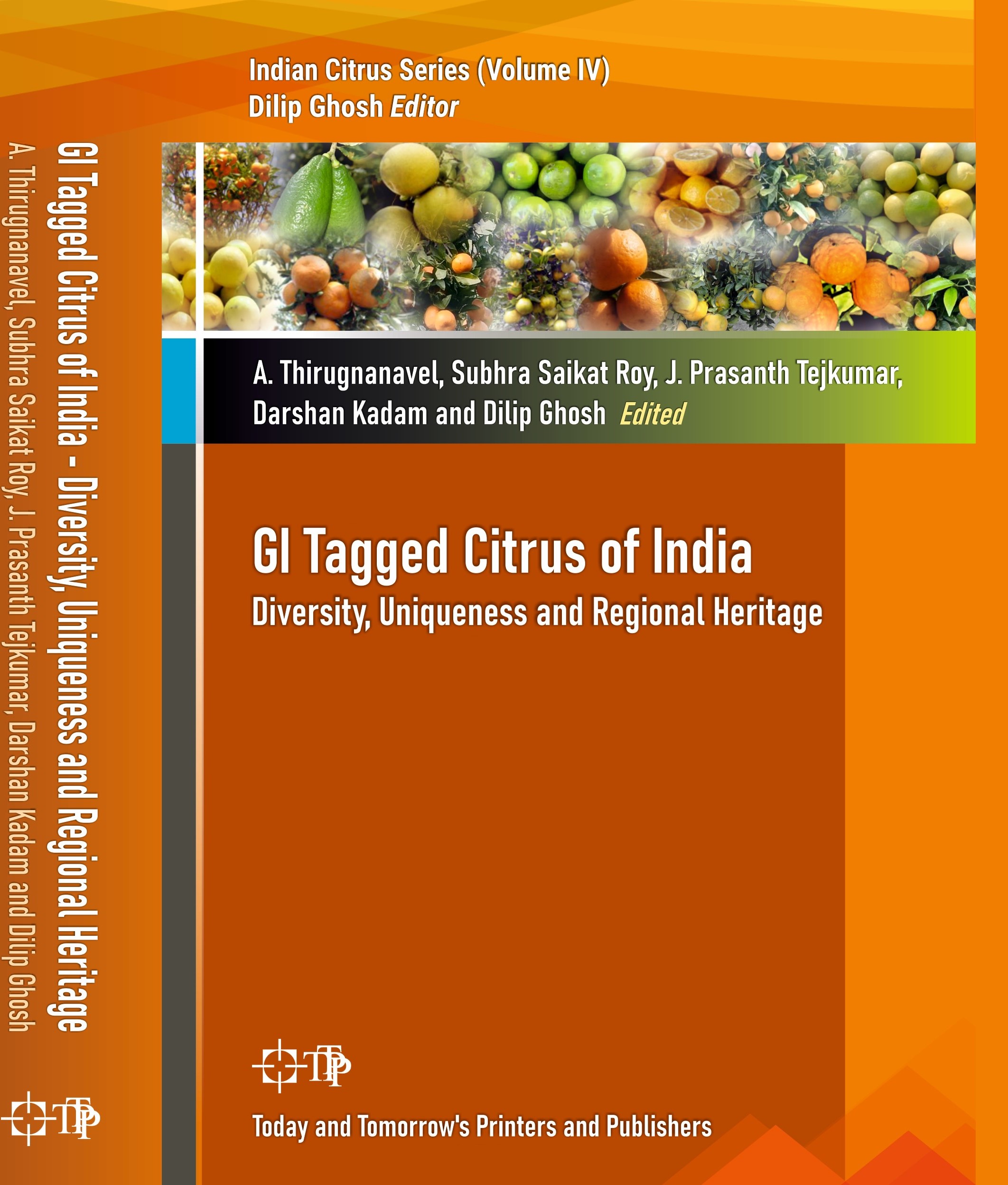
GI Tagged Citrus Of India - Diversity Uniqueness And Regional Heritage
₹5,395.50₹5,995.00
Book details for GI Tagged Citrus Of India - Diversity Uniqueness And Regional Heritage

Agriculture · Biodiversity · Environment/Forestry
Northeast India hosts rich biodiversity and is recognized as one of the biodiversity hotspots of the world. The region is covered by approximately 66% forest area of its total geographical extent. Forest types in the region vary from tropical evergreen (wet and dry) to subtropical and temperate, depending on climatic conditions and altitude. These forests are both economically viable and ecologically significant. Local communities depend on them for timber and non-timber forest products, including medicinal plants, to sustain their livelihoods. This book is unique and the first of its kind. It comprises 10 chapters –Introduction, State-wise Land Use Pattern, Forest Land Use Pattern, Forest Ecology and Biodiversity, Spatial Pattern of Forests, Wetlands: Distribution and Environmental Significance, Forest Fires and Their Consequences, Human Uses, Forest Management, and Conclusions: Challenges and Perspectives. It contains 23 colour figures and 46 tables. The book will be highly useful for policymakers, academicians, research scholars, and students.
Forests Of Northeast India Diversity, Distribution, And Management by Vishwambhar Prasad Sati.
148 pages · English · Published 2026
Subjects: Agriculture, Biodiversity, Environment/Forestry
Vishwambhar Prasad Sati
Further author information is not yet available.
�Introduction. �State-wise Land Use Patterns. �Forest Land Use Pattern. �Forest Ecology and Biodiversity. �State-wise Distribution of Forests. �Wetlands: Distribution and Environmental Significance. �Forest Fires and Their Consequences. �Human Uses of Forest Resources. �Forest Management. �Conclusions: Challenges and Perspectives.
Agriculture · Horticulture
Agriculture · Horticulture · Horticulture

Biodiversity · Environment/Forestry

Biodiversity · Environment/Forestry

Agriculture · Botany · Plant Pathology

Library and Information Science

Horticulture · Horticulture

Agriculture · Botany · Plant Pathology