Horticulture · Horticulture
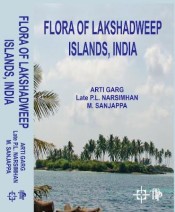
Flora Of Lakshadweep Islands , India
₹6,295.50₹6,995.00
Book details for Flora Of Lakshadweep Islands , India
Botany · Biodiversity
This book provides a comprehensive overview of the plant wealth and biodiversity of the Lakshadweep Islands. It highlights the importance of systematic surveys and documentation of natural resources for environmental conservation. The book emphasizes the need to protect island ecosystems from threats such as global warming and climate change. Its main objective is to prepare a comprehensive list of plants found across the different islands of Lakshadweep. The work is based on plant collections made by Late Dr. P. Lakshminarsimhan during his visit to the islands in 2008. The authors have also consulted relevant literature and studied herbarium specimens preserved at the Central National Herbarium (CAL). The book provides scientific names and correct nomenclature for the plants recorded in the region. It documents the medicinal properties and ethnobotanical uses of plants found in the Lakshadweep Islands. The information is valuable for researchers, academicians, botanists, and pharmaceutical industries. The book supports the sustainable utilization of plant resources for the livelihood of local communities. It contributes to the understanding and conservation of the region’s unique biodiversity and ecosystems. The work also provides a foundation for the detailed compilation of the Flora of Lakshadweep Islands. The authors acknowledge the contributions of botanists, photographers, and experts who assisted in plant identification and field documentation. The book serves as an important reference for botanical research, biodiversity assessment, and environmental studies. Overall, this publication is a valuable contribution to the documentation, conservation, and sustainable management of the plant resources of the Lakshadweep Islands.
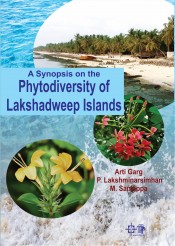
A Synopsis on the Phytodiversity of Lakshdweep Islands by Arti Garg, P. Lakshminarshimhan, M. Sanjappa.
230 pages · English · Published 2025
Subjects: Botany, Biodiversity
Dr. ARTI GARG is Senior Scientist in Botanical Survey of India (BSI), Northern Regional Centre, Dehradun and ex Head of Office, Central Regional Centre of the BSI, Allahabad. She is a renowned Palynologist and Taxonomist and has worked out several Floras mainly The Flora of India -Vol. 19 (Scrophulariaceae, Lentibulariaceae and Orobanchaceae) and families Dipsacaceae, Valerianaceae, Rubiaceae, Sapotaceae and Styrachaceae for other volumes. She has also worked out the State Flora of Chhattisgarh and several families mainly Asteraceae and Lamiaceae for Flora of West Bengal. Dr. Garg has also made Revisionary studies of the genera Berberis L. and Pedicularis L. including their speciation and evolution, reproductive biology studies of endangered plants including their adaptation, plant-pollinator co-evolution and inbreeding-depression. Her contributions in taxonomic documentation of plant wealth of Ramsar sites of India, palaebotanical aspects and climate change, age determination of ancient trees of Adansonia digitata, Ficus benghalensis and Manilkara hexandra are widely recognised. Among her Nationally reputed achievements are the world’s oldest Manilkara hexandra, world’s tenth largest and oldest Ficus benghalensis, oldest Adansonia digitata (after Africa) in India and also the country’s second largest flattened plateau Manmanhara. She has discovered 14 novel plant species and several species new for the country and states. To her credit are 17 completed research projects, 5 books, several book chapters and c. 200 research papers in peer-reviewed National and International journals along with recognised honours and awards.
Dr. P. Lakshminarasimhan published several floras mainly, the flora of Andaman & Nicobar Islands, Flora of Maharashtra State, Flora of Karnataka State, Endemic plants of Maharashtra and plant diversity of National Parks and sanctuaries. Under ‘Protected Area Network’ he published flora of Anshi and Nagarhole in Karanataka, Molem in Goa, and Gugamal in Maharashtra. He was deputed as Indian Botanical Liaison Officer at Kew from May 2002 to November 2004 and on return he joined the Central National Herbarium where he initiated works on the Flora of wildlife sanctuaries in Jharkhand, Flora of Lakshadweep, and the editing of Flora of West Bengal volumes. Later he became in-charge of Central National Herbarium and ENVIS Centre of BSI, Howrah. Dr. Lakshminarsimhan was bestowed with prestigious M.B. Raizada and V.V. Sivarajan Gold Medals. He has published about 155 papers, authored and edited 25 books and guided seven students for their Ph.D. when sadly, he fell victim of COVID-19 and left us for heavenly abode on 15.7.2020.
M Sanjappa, Ph.D., FNA, FASc, FNASc, FKSTA worked in Botanical Survey of India from 1979 to 2010. After his superannuation he worked as CSIR Emeritus Scientist (2012-2015), INSA Senior Scientist (2015–2020) and now as INSA Honorary Scientist (Since 2021) at Mahatma Gandhi Botanical Garden, University of Agricultural Sciences, GKVK, Bengaluru 560 065, India. His main research interest has been taxonomic study of Leguminosae of the Indian subcontinent and has revised many legume genera and edited Flora of India Fascicles and volumes, most recent volume (2024) is Flora of India volume 6 (includes part of Leguminosae). Along with his students he worked on families Aristolochiaceae, Ericaceae, Iridaceae and Lamiaceae. He has recently completed Taxonomic revision of the genus Smithia Aiton (Leguminosae), Taxonomy, Conservation status assessment and utilisation of endemic legumes of Western Ghats and Indian Trees (2 volumes). Presently, he is working on collection, multiplication and ex situ conservation of selected Critically Endangered (CR) and Endangered (E) Legumes of Western Ghats, taxonomic revision of Indian Legume genera and editing of Flora of India volume 7 (Leguminosae: Papilionoideae)
�INTRODUCTION �DESCRIPTIONS �KEY TO THE FAMILIES OF ANGIOSPERMS �ANNONACEAE �MENISPERMACEAE �PAPAVERACEAE �BRASSICACEAE �CAPPARACEAE �VIOLACEAE �BIXACEAE �FLACOURTIACEAE �POLYGALACEAE �CARYOPHYLLACEAE �PORTULACACEAE �CLUSIACEAE (GUTTIFERAE nom. alt.) �MALVACEAE �BOMBACACEAE �STERCULIACEAE �TILIACEAE �ELAEOCARPACEAE �MALPIGHIACEAE �ZYGOPHYLLACEAE �BALSAMINACEAE �AVERRHOACEAE �RUTACEAE �SURIANACEAE �MELIACEAE �CELASTRACEAE �RHAMNACEAE �VITACEAE �LEEACEAE �SAPINDACEAE �ANACARDIACEAE �MORINGACEAE �FABACEAE �Subfamily I: Caesalpinioideae �Subfamily II. Cercidoideae �Subfamily III. Papilionoideae �CRASSULACEAE �RHIZOPHORACEAE �COMBRETACEAE �MYRTACEAE �LECYTHIDACEAE �LYTHRACEAE �PUNICACEAE �ONAGRACEAE �PASSIFLORACEAE �CARICACEAE �CUCURBITACEAE �AIZOACEAE �MOLLUGINACEAE �APIACEAE �RUBIACEAE �ASTERACEAE �GOODENIACEAE �PLUMBAGINACEAE �SAPOTACEAE �OLEACEAE �APOCYNACEAE �ASCLEPIADACEAE �BORAGINACEAE �CONVOLVULACEAE �SOLANACEAE �SCROPHULARIACEAE �BIGNONIACEAE �PEDALIACEAE �ACANTHACEAE �VERBENACEAE �AVICENNIACEAE �LAMIACEAE �NYCTAGINACEAE �AMARANTHACEAE �POLYGONACEAE �ARISTOLOCHIACEAE �PIPERACEAE �LAURACEAE �HERNANDIACEAE �EUPHORBIACEAE �URTICACEAE �MORACEAE �CASUARINACEAE �HYDROCHARITACEAE �ZINGIBERACEAE �COSTACEAE �MUSACEAE �CANNACEAE �AMARYLLIDACEAE �AGAVACEAE �TACCACEAE �DIOSCOREACEAE �ARACEAE �ACORACEAE �COLCHICACEAE �ASPHODELACEAE �ALLIACEAE �ASPARAGACEAE �PONTEDERIACEAE �COMMELINACEAE �ARECACEAE �PANDANACEAE �CYMODOCEACEAE �CYPERACEAE �POACEAE �DISCUSSION AND ANALYSIS �REFERENCES
Horticulture · Horticulture